-Hallo friends, Learn Accounting Coach,
in the article you read this time with the title How to Record Business Transactions Step by Step, we have prepared this article well for you to read and retrieve the information therein. Hopefully the content of article posts Accounting Basics, article posts Bookkeeping, article posts Financial Management, which we write this you can understand. Alright, happy reading.
Title : How to Record Business Transactions Step by Step
link : How to Record Business Transactions Step by Step
How to Record Business Transactions Step by Step
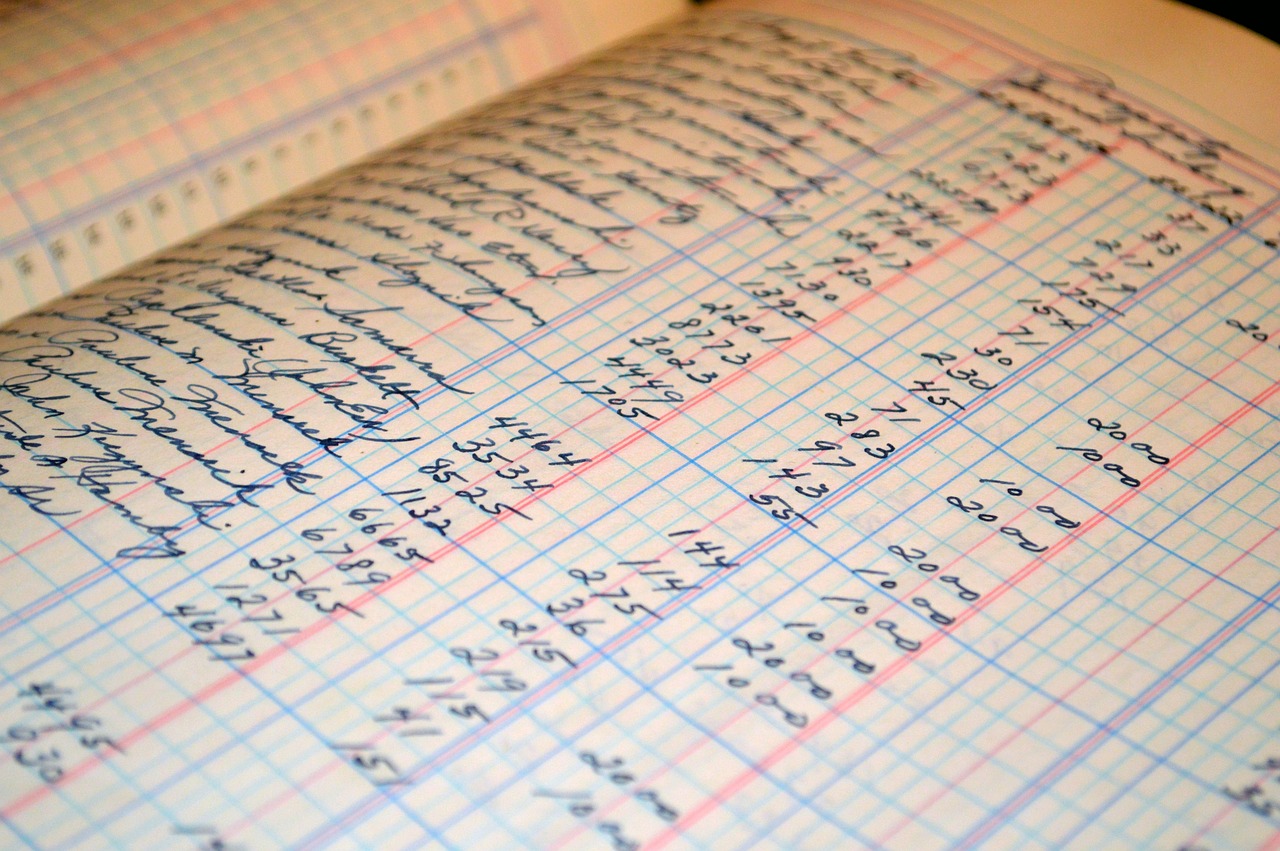
Recording business transactions is the backbone of accurate financial accounting. Whether you are a small business owner or a budding accountant, maintaining precise records ensures that you can track cash flow, manage taxes, and make informed decisions about the future of your company. Many people find the process intimidating, but by following a systematic approach, you can ensure your books remain balanced and audit-ready.
Understanding Business Transactions
A business transaction is any economic event that affects the financial position of a business and can be reliably measured in monetary terms. This includes sales, purchases, payments to vendors, receipt of payments from customers, and payroll expenses. Every transaction must be documented to maintain the integrity of your financial statements.
Step-by-Step Guide to Recording Transactions
To keep your accounting accurate, follow these essential steps every time a financial movement occurs within your business.
1. Collect and Organize Source Documents
Before you can record anything, you need proof. Source documents provide the evidence that a transaction took place. Keep a digital or physical file for:
- Invoices sent to customers.
- Bills received from vendors.
- Receipts for business expenses.
- Bank statements and credit card slips.
- Payroll records.
2. Analyze the Transaction
For every document you collect, identify which accounts are affected. Accounting relies on the double-entry system, meaning every transaction impacts at least two accounts. For example, if you buy office supplies with cash, your "Office Supplies Expense" account increases, while your "Cash" account decreases.
3. Determine the Accounting Method
You must decide whether you are using cash-basis or accrual-basis accounting:
- Cash-basis: You record transactions only when money actually changes hands.
- Accrual-basis: You record revenue when it is earned and expenses when they are incurred, regardless of when cash is received or paid.
4. Journalize the Entry
Once you have analyzed the transaction, record it in your general journal. This is the chronological record of all your business activities. Each entry should include the date, the accounts involved, the amount, and a brief description.
5. Post to the General Ledger
After journalizing, transfer these entries to the general ledger. The ledger organizes your transactions by account type, such as Assets, Liabilities, Equity, Revenue, and Expenses. This makes it easier to track the balance of each specific account over time.
Essential Accounting Equation
To ensure your entries are correct, always keep the fundamental accounting equation in mind. If your records do not balance, there is likely an error in your entry process.
| Component | Description |
|---|---|
| Assets | What the business owns (Cash, Inventory, Equipment). |
| Liabilities | What the business owes (Loans, Accounts Payable). |
| Equity | The owner's claim on assets after liabilities are paid. |
The formula is: Assets = Liabilities + Owner's Equity
Frequently Asked Questions
How often should I record business transactions?
It is best practice to record transactions as they happen or at least weekly. Waiting until the end of the month makes it easy to lose receipts or forget specific details regarding a purchase.
Do I need accounting software to record transactions?
While you can use spreadsheets, modern accounting software automates much of the process, reduces human error, and provides real-time reports that are essential for growing businesses.
What happens if I make a mistake in my records?
Mistakes are common, especially for beginners. If you find an error, do not simply delete the entry. Instead, create an adjusting entry to correct the balance while keeping an audit trail of the change.
Conclusion
Recording business transactions is more than just a regulatory requirement; it is a vital tool for understanding the health of your enterprise. By collecting your source documents, applying the double-entry method, and keeping your ledger up to date, you create a clear picture of your company’s financial performance. Start by establishing a consistent routine, and you will find that managing your finances becomes a streamlined part of your daily business operations.
Thus the article How to Record Business Transactions Step by Step
You now read the article How to Record Business Transactions Step by Step With the link address https://learnaccountingcoach.blogspot.com/2026/10/how-to-record-business-transactions.html
